Put Your Building’s
VRV Airflow to Work
Explore the potential to generate electricity from VRV discharge airflow with the LIAM F1 R-1600.
SINGAPORE
Could Your VRV
Airflow Do More?
Your building already moves air to support cooling and ventilation. Where a suitable discharge stream is available, it can be assessed as an energy opportunity.
Review the VRV outdoor-unit discharge or connected ventilation duct.
Assess the airflow during representative equipment operating conditions.
Select a rotor location and system suited to the measured airflow.
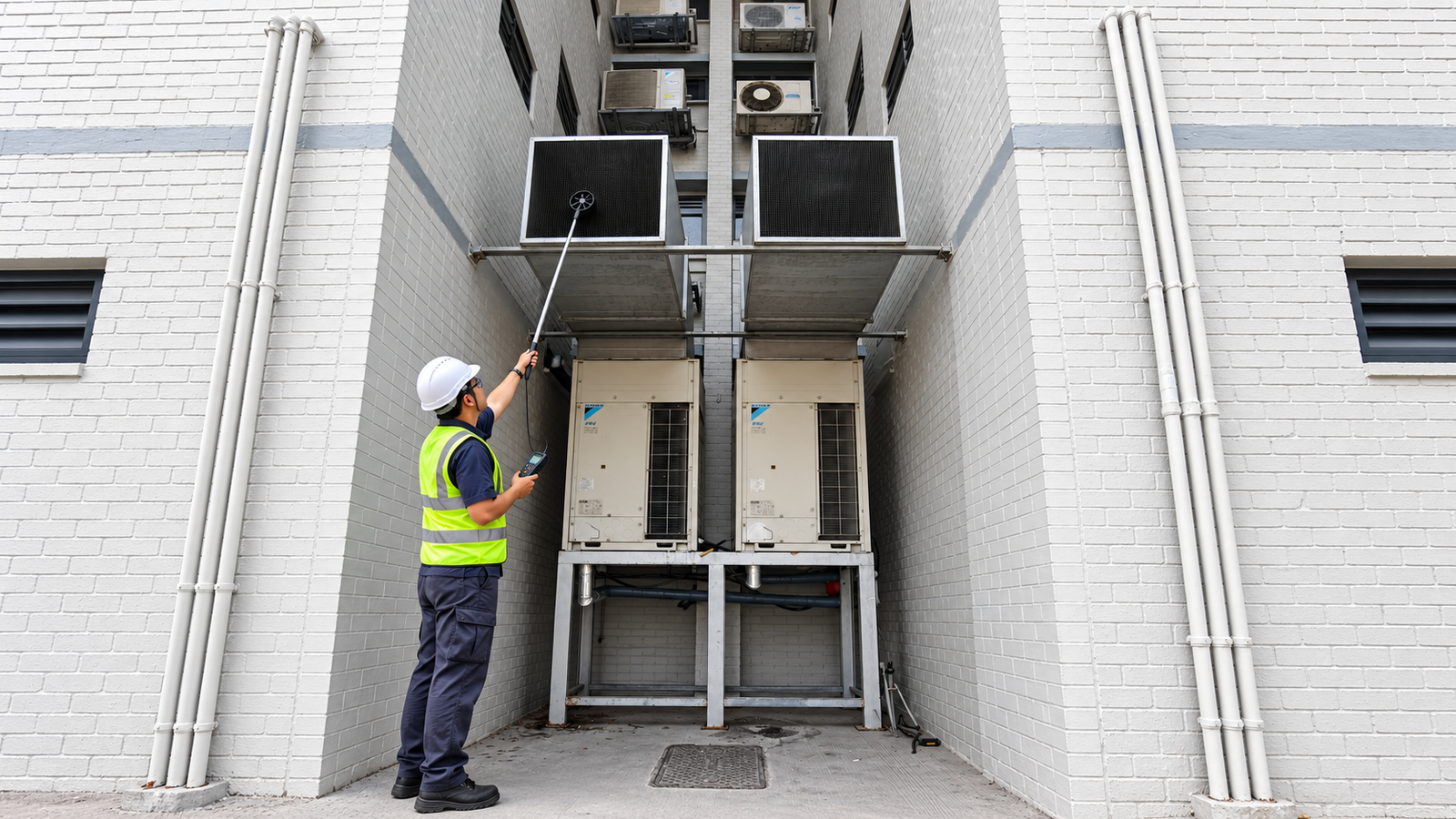 Illustrative airflow inspection • Site assessment
Position the Rotor
in the Airflow.
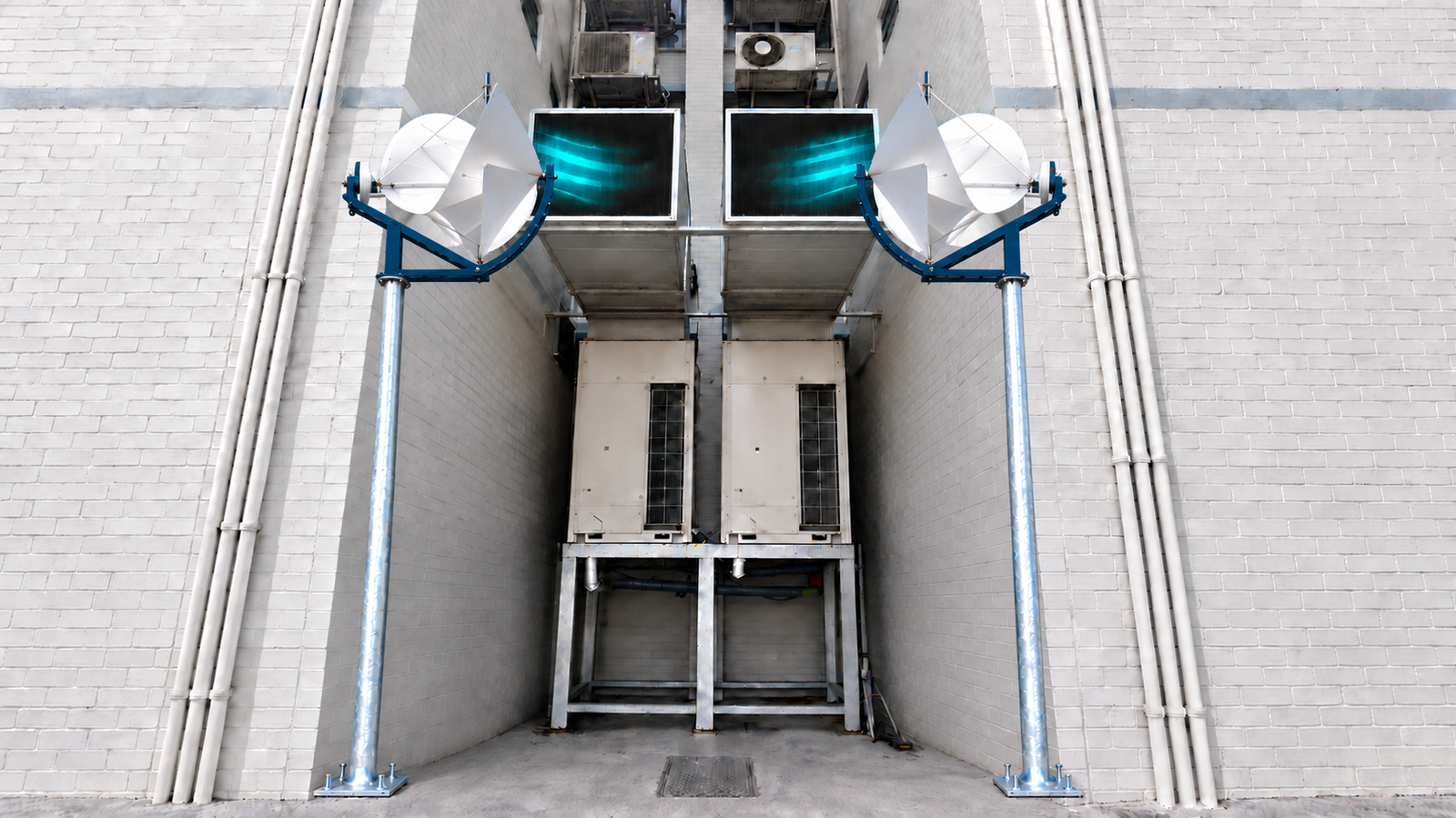
The turbine height and orientation follow the actual discharge path. The outlet and rotor remain clearly visible in the proposed arrangement.
Align the rotor with the measured airflow leaving the grille.
Determine distance from the outlet through the mechanical review.
Allow maintenance clearance and suitable structural support.
From VRV Airflow to Electrical Use.
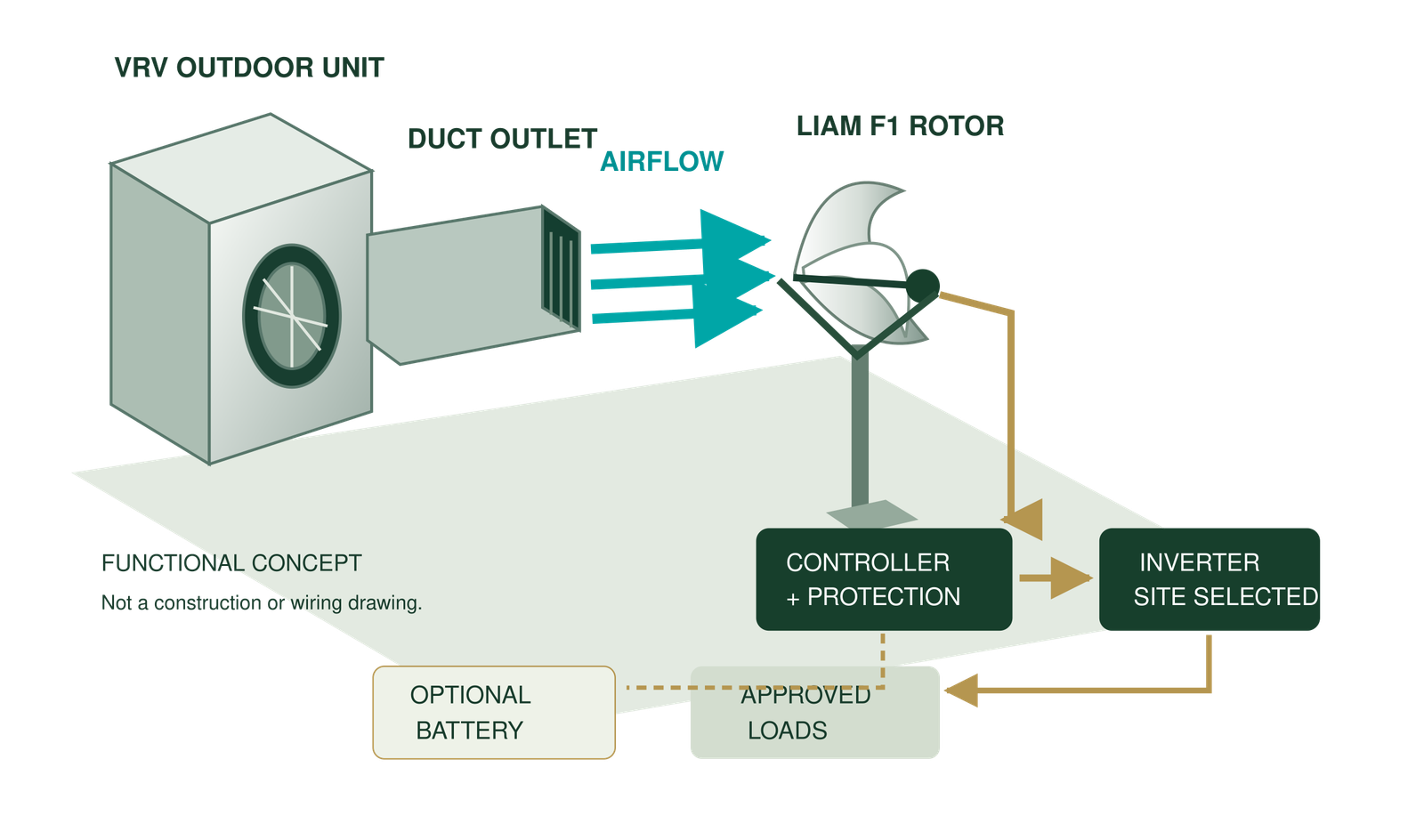
Follow the mechanical airflow and the electrical connection through one proposed system.
Meet the
LIAM F1 R-1600.
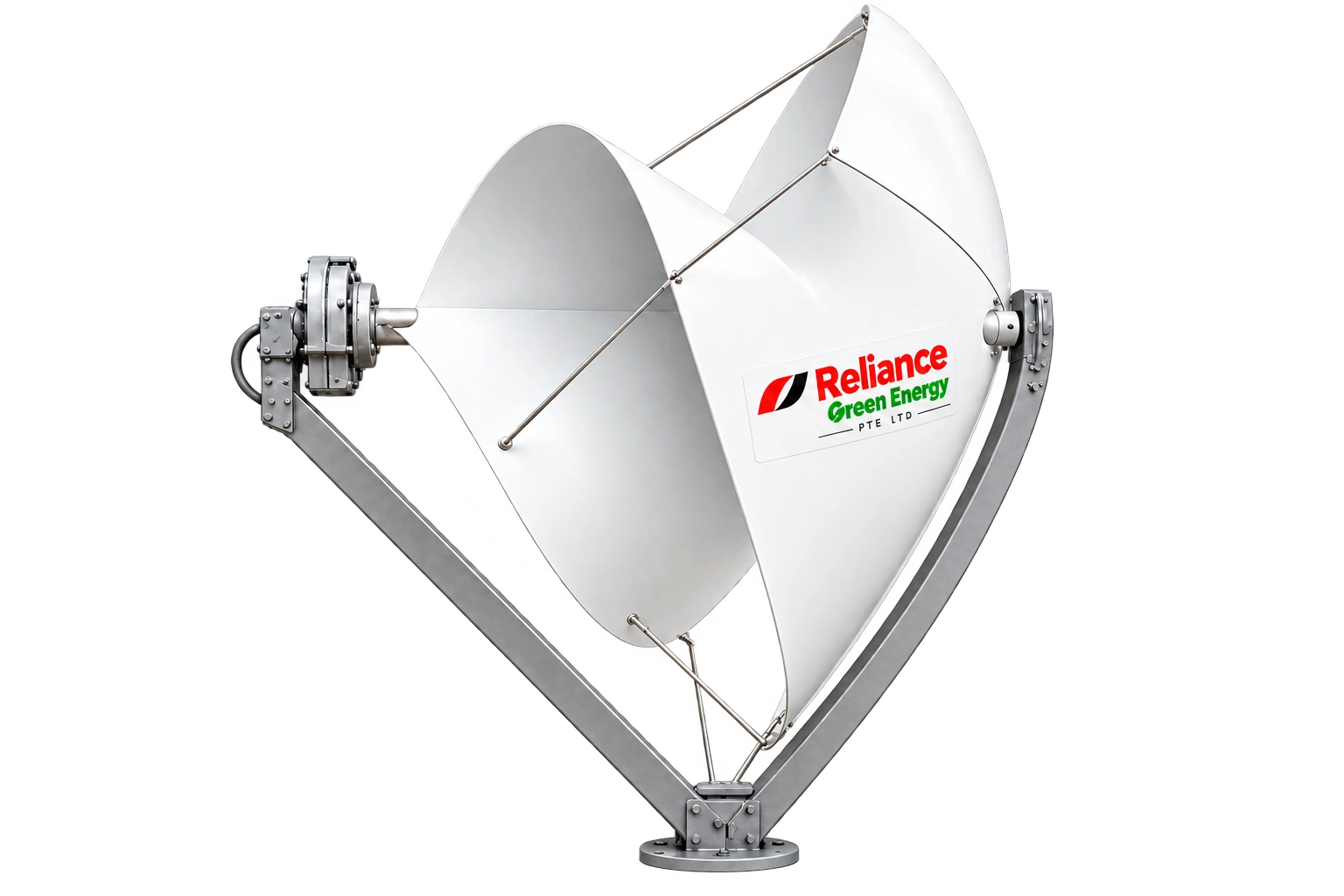
The spiral rotor captures suitable airflow and drives a generator. A complete installation brings together the turbine, supporting structure, control equipment and electrical connection.
The three-blade geometry is central to the LIAM F1 design.
Supplier specification: below 1.5 m/s; starting rotation differs from useful generating output.
Mounting, controls and the power connection are selected for the application.
R-1600:
The Technical Snapshot.
Model-specific parameters published by Reliance Green Energy. Rated capacity is distinct from output at a particular VRV outlet.
| Rated power | 5,000 W / 5 kW |
|---|---|
| Maximum power | 5,050 W |
| Rotor diameter | 1.6 m |
| Assembly length | 1.8 m |
| Gross weight | 190 kg |
| Number of blades | 3 |
| Starting wind speed | < 1.5 m/s |
| Cut-in wind speed | < 3.0 m/s |
| Rated wind speed | 12 m/s |
| Maximum wind speed | < 35 m/s |
| Rated DC voltage | 12 / 24 / 48 / 96 V |
| Generator protection | IP54 |
Connect Generation
to a Purpose.
The electrical arrangement is designed around the turbine output, the intended loads and the facility’s existing infrastructure.
Review regulation, braking/control requirements, isolation and cable routing.
Select compatible equipment for the required connection; batteries are optional.
Evaluate common-area lighting, auxiliary circuits or a site-approved building connection.
Experience at
Infineon Singapore.
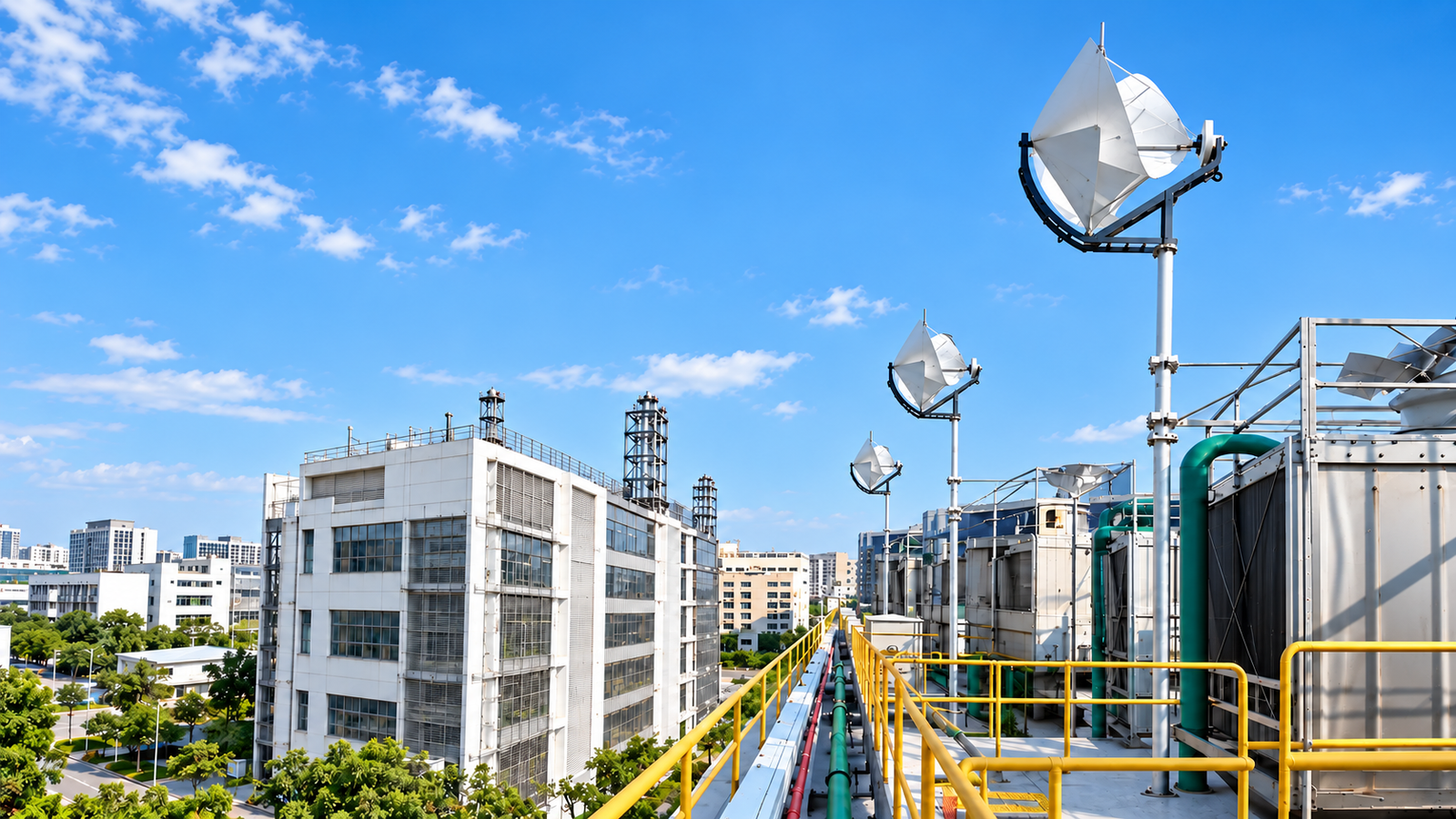
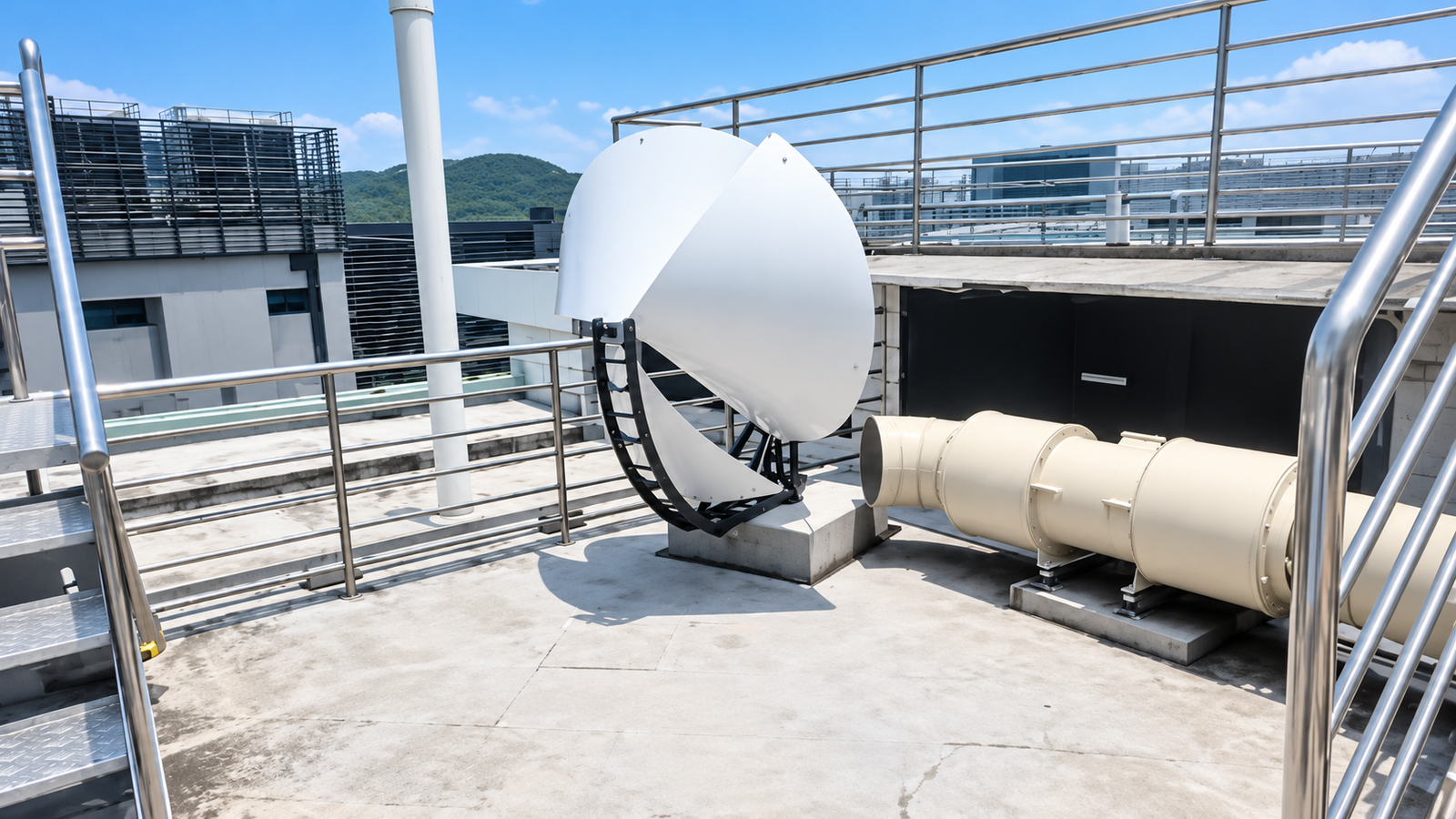
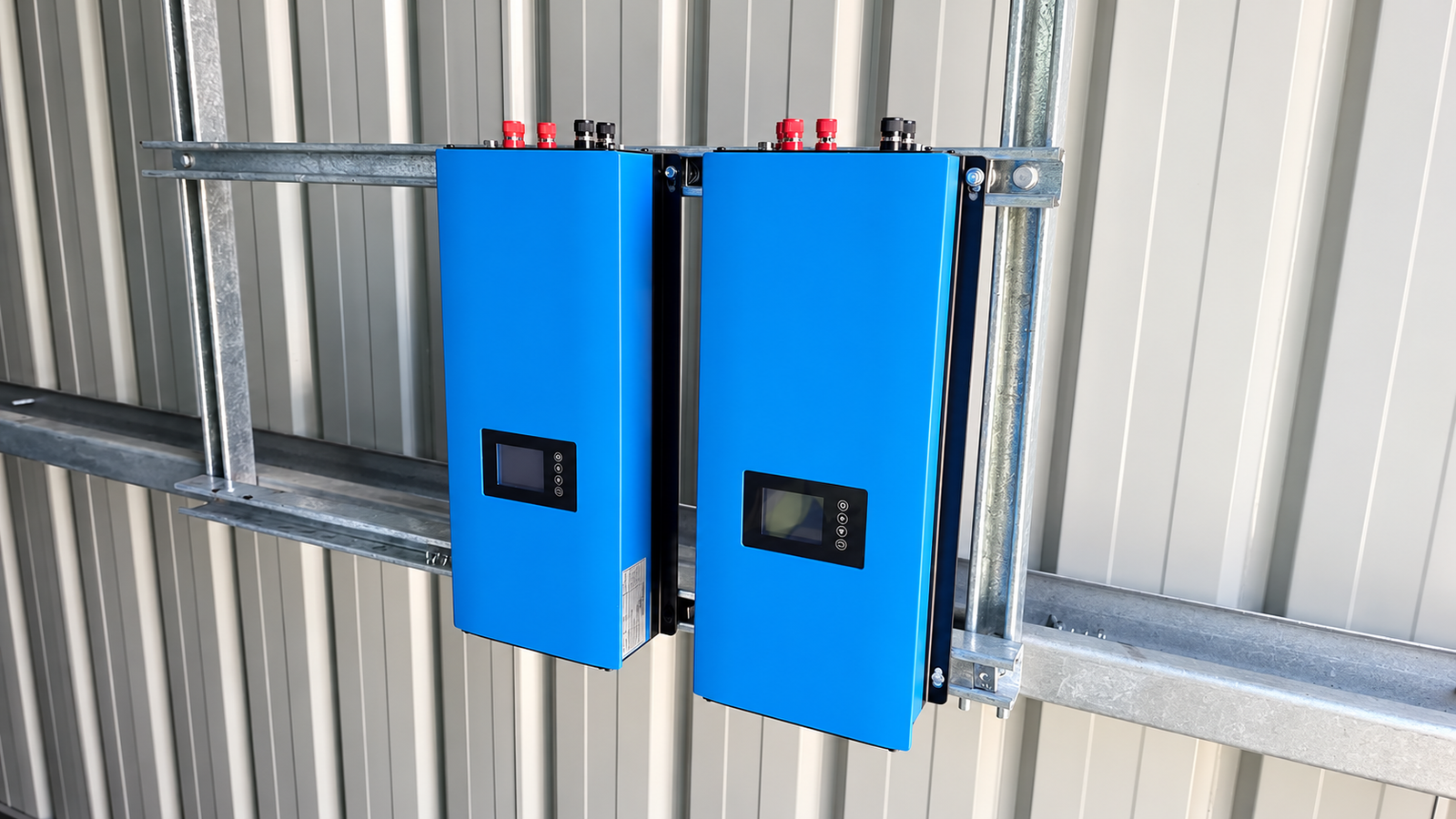
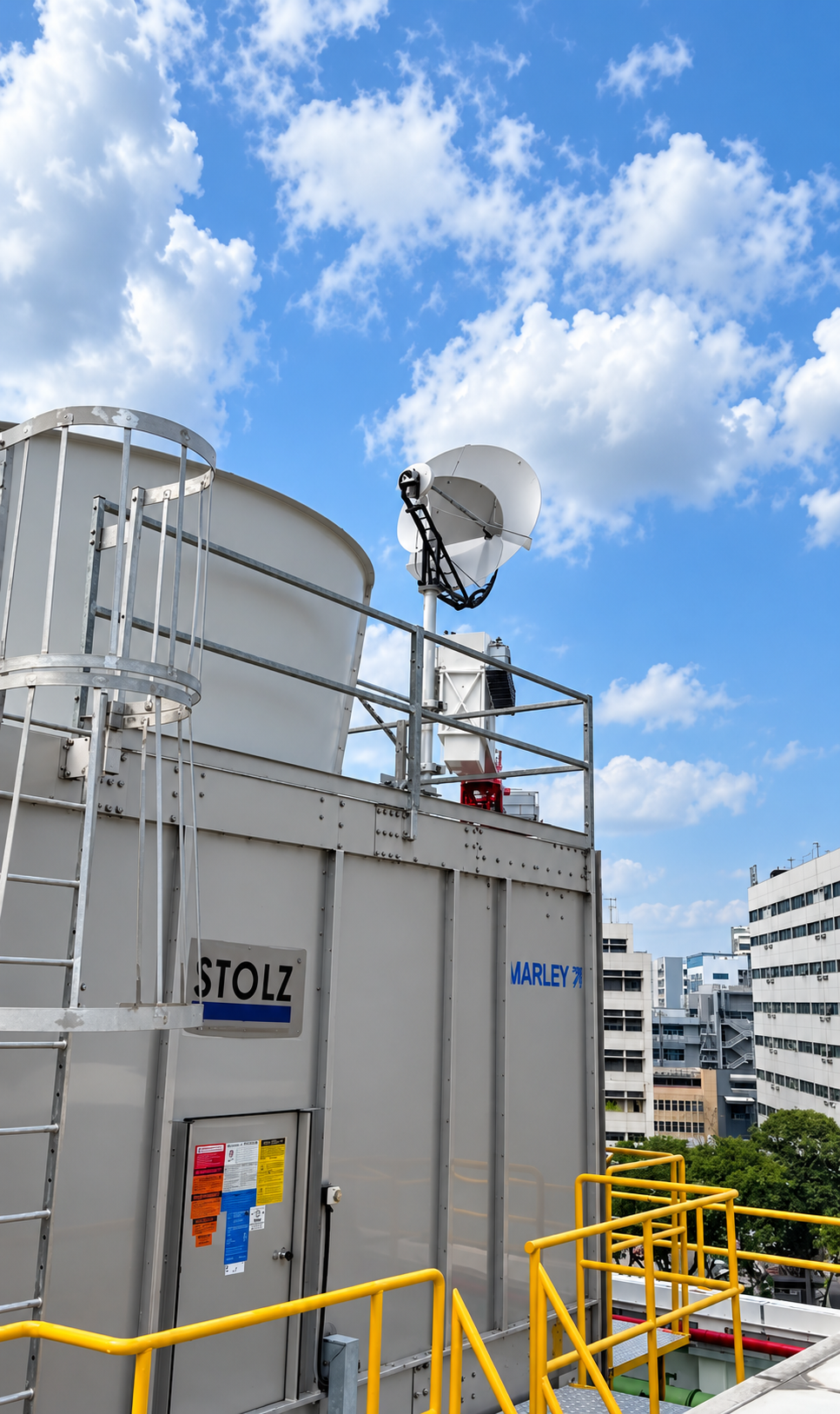
Reliance Green Energy has delivered LIAM F1 R-1600 installations at Infineon Singapore, using cooling-tower discharge and warehouse mechanical exhaust.
Existing discharge airflow with turbine support and airflow-guidance works.
A separate arrangement located near mechanical extraction discharge.
The proposed VRV application requires its own site assessment.
From Assessment
to Installation.
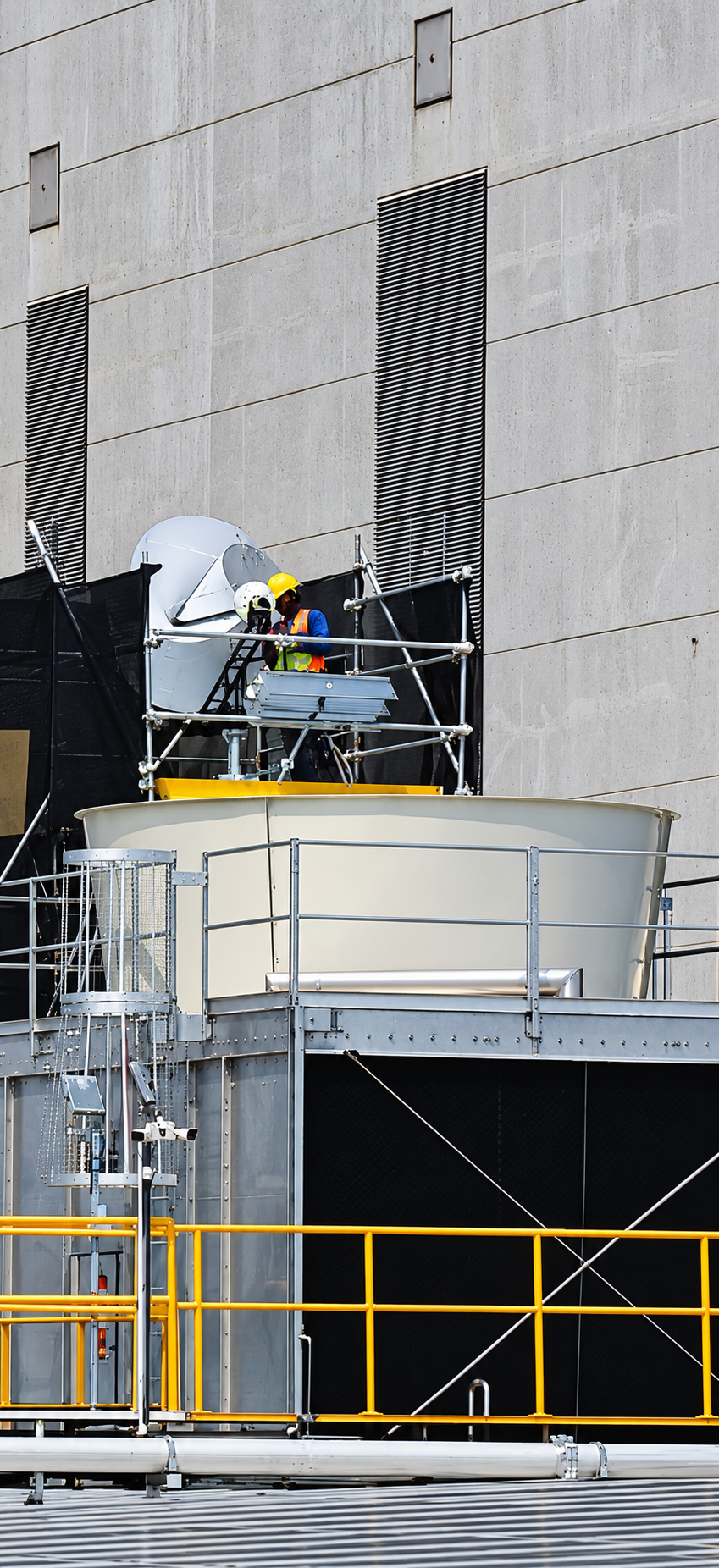
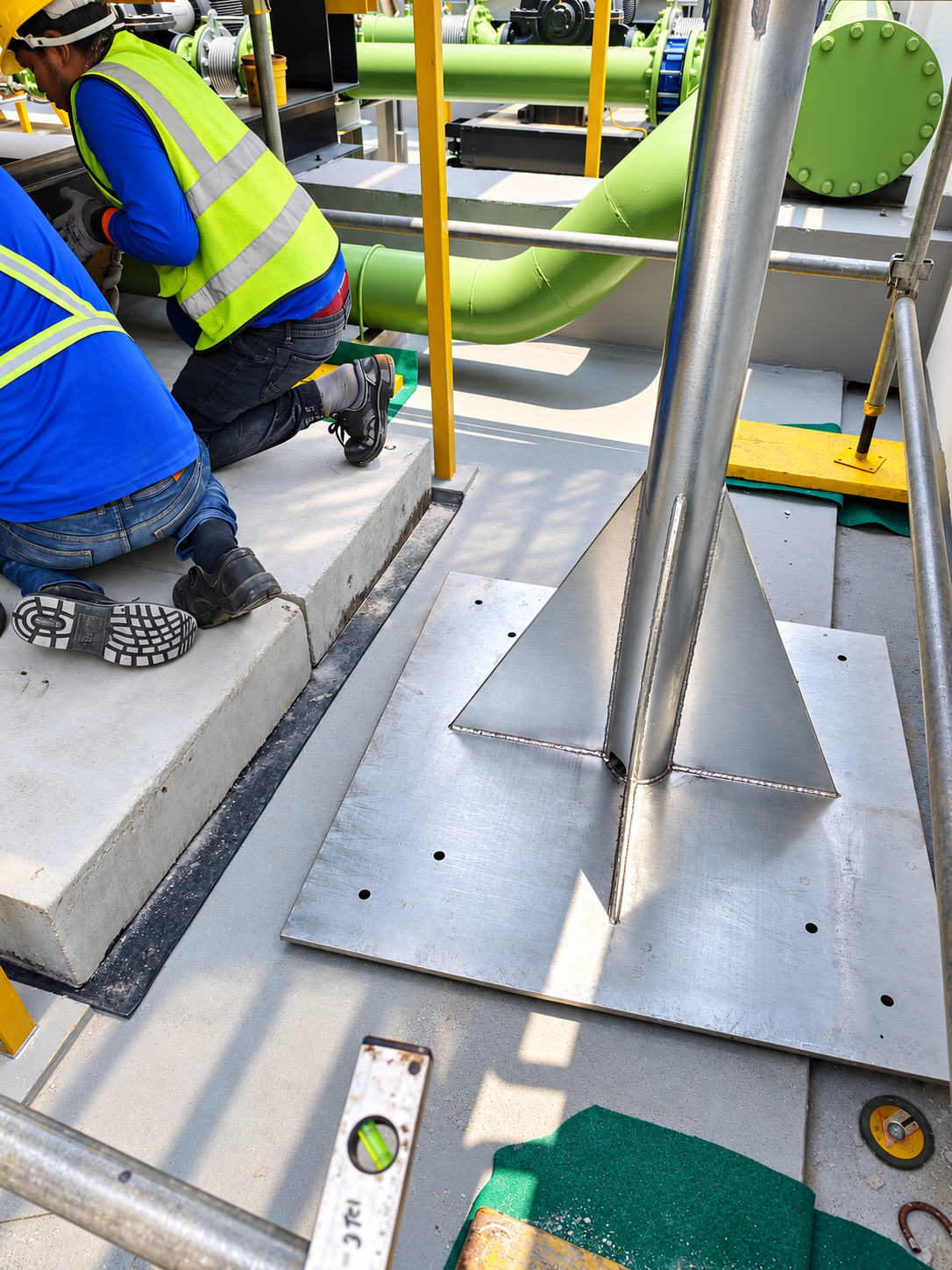
A practical proposal coordinates mechanical, structural and electrical requirements before work begins.
Equipment details, airflow measurements, operating schedule and access.
Rotor location, separation, mounting loads, vibration and service clearances.
Approved supports, turbine, controls, protection and cable routing.
Verify operation, record baseline performance and agree maintenance requirements.
Measure the Net
Energy Contribution.
A meaningful evaluation considers both the electricity generated and the effect of the installation on the existing cooling or ventilation system.
Capture representative speeds, direction and operating hours.
Record turbine energy in kWh over the assessment period.
Compare HVAC/fan energy and operating conditions against the baseline.
Use measured energy contribution, installation cost and maintenance needs.
PERFORMANCE
Explore the Opportunity
at Your Site.
Share your facility location, photographs of the discharge outlet, equipment details and operating hours. Reliance Green Energy can begin reviewing the proposed application.
Singapore

Scan to start
the conversation.
LIAM F1 Model R-1600
Proposed VRV Airflow Recovery Solution